
Sciatic Nerve: Causes, symptoms, and treatment options.
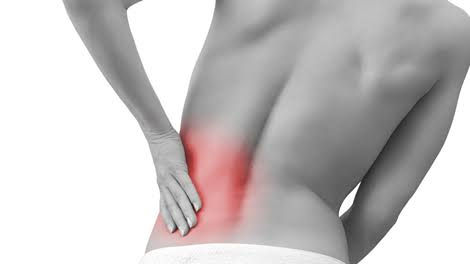
Sciatic nerve pain, commonly known as sciatica, is a condition that can cause pain, discomfort, numbness, or tingling that radiates from the lower back through the hip, buttocks, and legs. It occurs when the sciatic nerve becomes irritated or compressed.
Although sciatica can affect mobility and daily activities, understanding its causes, recognizing its symptoms, and seeking appropriate medical care can help manage discomfort and improve quality of life.
What is the sciatic nerve?
The sciatic nerve is the longest and one of the largest nerves in the human body. It originates in the lower spine, passes through the buttocks, and extends down the back of each leg.
This nerve plays an important role in muscle movement and sensation in the lower extremities. When it becomes irritated, inflamed, or compressed, it may cause the symptoms commonly associated with sciatica.
Common causes of sciatic nerve pain
Sciatica is not a condition on its own but rather a symptom of an underlying problem affecting the nerves in the lower back. Some of the most common causes include:
Herniated disc: A spinal disc may bulge or rupture, putting pressure on nearby nerve roots.
Spinal stenosis: Narrowing of the spinal canal can compress nerves in the lower back.
Degenerative disc disease: Age-related changes in spinal discs may contribute to nerve irritation.
Piriformis syndrome: Tightness or irritation of the piriformis muscle in the buttocks may affect the sciatic nerve.
Injury or trauma: Injuries involving the lower back or pelvis may trigger sciatic symptoms.
Symptoms of sciatica
Symptoms can range from mild discomfort to severe pain that interferes with everyday activities. They typically affect one side of the body and may include:
Pain radiating from the lower back to the buttocks and leg.
Burning or sharp pain along the leg.
Tingling or a pins-and-needles sensation.
Numbness in the leg or foot.
Muscle weakness in the affected leg.
Increased discomfort after prolonged sitting, standing, or certain movements.
In some cases, pain may worsen when coughing, sneezing, bending, or lifting objects.
How is sciatica diagnosed?
Diagnosis may involve reviewing the patient’s medical history, performing a physical examination, and conducting a neurological assessment. During the evaluation, a healthcare provider may assess muscle strength, reflexes, sensation, and movements that trigger pain.
Depending on the patient’s symptoms and clinical findings, additional tests, such as an MRI or other imaging studies, may be recommended to identify the underlying cause.
Treatment and management options
Treatment for sciatica depends on its cause, severity, and duration. Many patients improve with conservative approaches, which may include:
Physical therapy and guided exercises.
Stretching and movement modifications.
Applying heat or cold to affected areas.
Medications recommended by a healthcare provider.
Avoiding prolonged periods of sitting.
Maintaining proper posture and body mechanics when lifting objects.
In certain cases, additional medical interventions may be considered when symptoms persist or an underlying condition requires specialized care.
When should you seek medical attention?
If you experience persistent lower back pain that radiates down your leg, numbness, tingling, or weakness, it is important to seek medical evaluation.
Seek emergency medical care if you develop sudden or severe leg weakness, loss of bladder or bowel control, or numbness around the genital or saddle area. These symptoms may indicate a serious condition requiring immediate attention.
Take care of your spine and nerve health
Sciatic nerve pain can interfere with mobility, sleep, work, and everyday activities. Early evaluation and an individualized treatment plan can help identify the underlying cause and determine the most appropriate approach to care.
If you are experiencing symptoms of sciatica, consult a healthcare professional to discuss your symptoms and available treatment options.
Your health matters. Don’t ignore persistent pain.


Comments