
Energy and Health: How to Keep Your Body Active and Support Your Well-Being.
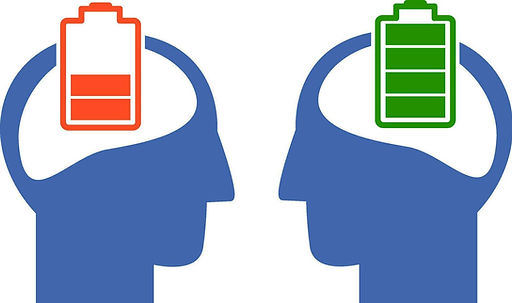
Energy is essential for carrying out daily activities, maintaining concentration, and enjoying a good quality of life. From getting out of bed in the morning to managing everyday responsibilities, the body needs energy to function properly.
However, frequent tiredness, low motivation, or difficulty concentrating may indicate that your daily habits need improvement or that an underlying health condition requires medical attention.
How Are Energy and Health Connected?
The body gets the energy it needs primarily from food. Through different metabolic processes, cells convert nutrients into energy to support essential functions such as breathing, blood circulation, brain activity, and muscle movement.
How energetic you feel throughout the day can be influenced by several factors, including sleep quality, nutrition, hydration, physical activity, and emotional well-being.
That is why maintaining healthy energy levels involves taking care of your overall health.
5 Healthy Habits to Support Your Energy Levels
1. Maintain a Balanced Diet
A varied diet that includes fruits, vegetables, protein, whole grains, and healthy fats provides essential nutrients that help the body function properly. Try to maintain regular meal times and avoid relying exclusively on energy drinks or foods high in added sugar.
2. Prioritize Quality Sleep
Getting enough sleep allows your body and brain to recover. Most adults need at least seven hours of sleep per night, although individual needs may vary. Maintaining a consistent sleep schedule and limiting screen time before bed can help improve sleep quality.
3. Stay Hydrated
Dehydration can contribute to fatigue and affect concentration. Drinking water regularly throughout the day, while adjusting your intake to your activity level and environmental conditions, helps support normal bodily functions.
4. Include Physical Activity in Your Routine
Walking, engaging in moderate exercise, or participating in activities you enjoy can help improve stamina, mood, and sleep quality. Start gradually and choose activities that suit your abilities and health needs.
5. Manage Stress
Prolonged stress can affect sleep, concentration, and overall energy levels. Making time for relaxing activities, maintaining healthy social connections, and setting boundaries around daily responsibilities can support your overall well-being.
When Should You Talk to a Healthcare Professional?
Feeling tired occasionally after a demanding day is normal. However, persistent or unexplained fatigue should not be ignored.
Low energy may be associated with sleep disorders, stress, anemia, thyroid problems, infections, medication side effects, or other medical conditions.
If your fatigue lasts for several weeks, interferes with your daily activities, or occurs without an obvious cause, consult a healthcare professional. Depending on your symptoms and medical history, your provider may recommend further evaluation
If fatigue occurs alongside chest pain, severe difficulty breathing, fainting, or sudden confusion, seek emergency medical care.
Prevention Is an Important Part of Your Well-Being
Supporting your body’s energy levels is about more than simply feeling active. It also involves developing healthy habits that promote long-term health. Balanced nutrition, restorative sleep, regular physical activity, and recommended medical checkups can help you better understand and support your body’s needs.
At our clinic, we believe that reliable health information and timely medical care are essential to making informed decisions about your well-being.
Your well-being starts with small, consistent, and healthy choices. Listen to your body, do not ignore persistent signs of fatigue, and consult a healthcare professional when needed.
This content is for educational purposes only and does not replace an individualized medical evaluation.


Comments